Welcome to RennTech.org Community, Guest
There are many great features available to you once you register at RennTech.org
You are free to view posts here, but you must log in to reply to existing posts, or to start your own new topic. Like most online communities, there are costs involved to maintain a site like this - so we encourage our members to subscribe or donate. All subscriptions and donations go to the costs operating and maintaining this site. We prefer that guests take part in our community and we offer a lot in return to those willing to join our corner of the Porsche world. This site is 99 percent member supported (less than 1 percent comes from advertising) - so please consider an annual subscription or donation to keep this site running.
Here are some of the features available - once you subscribe RennTech.org
- View Classified Ads
- DIY Tutorials
- Porsche TSB Listings (limited)
- VIN Decoder
- Special Offers
- Paint Codes
- Registry
- Videos System
- View Reviews
- and get rid of this welcome message
It takes just a few minutes to register, and it's quality Porsche information at a low cost.
Contributing Members also get these additional benefits:
(you become a Contributing Member by subscribing or donating money to the operation of this site)
- No ads - advertisements are removed
- Access the Contributors Only Forum
- Contributing Members Only Downloads
- Send attachments with PMs
- All image/file storage limits are substantially increased for all Contributing Members
- Option Codes Lookup
- VIN Option Lookups (limited)
Leaderboard
-0001-0001.thumb.png.17f5bb25bf8ec261a17c21e6321c8492.png)



Popular Content
Showing content with the highest reputation since 10/18/2025 in all areas
-
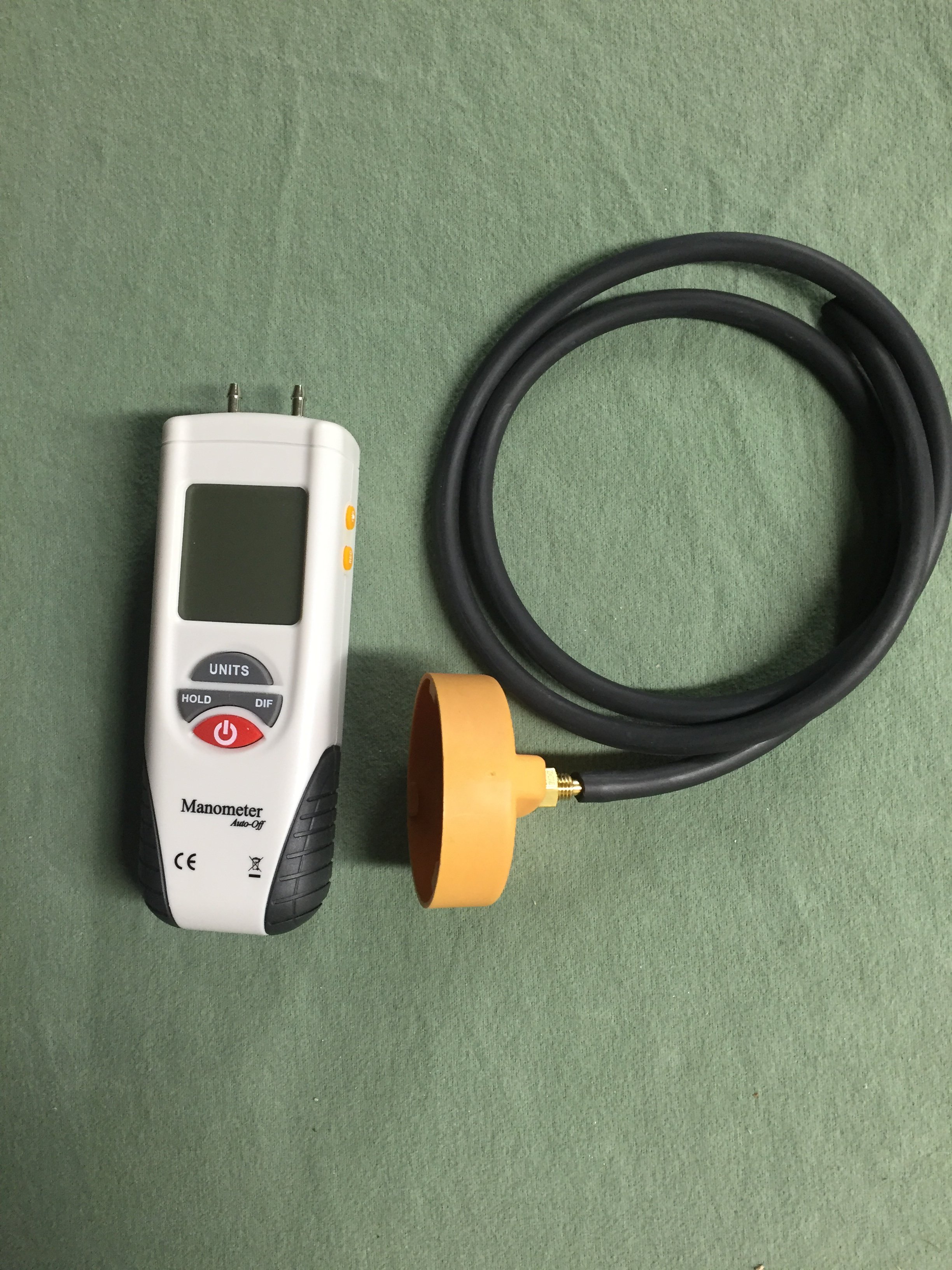
If the oil cap is hard to remove, you have a high vacuum level in the sump, which is bad for a variety of reasons, including lean stalling. The correct way to access the AOS is to fully warm up the engine by driving the car for 10-15 min, then replace the oil cap with the one in the picture above with a hose that connects to the digital manometer. If the vacuum level exceeds 6-7 inches of water vacuum, the AOS is leaking air into the intake system, causing the lean stall conditions. The normal level of vacuum is typically 4-5 inches of water, which is a really weak vacuum level, so it doesn't take much of a leak to cause problems, which is why we always checked every car that passed thru the shop with the manometer.3 points
-
The AOS can either be pin pointed or eliminated by having the car's sump vacuum level checked with a digital manometer (most quality shops have them as the AOS is a perpetual issue; surprise the dealer didn't do this).
 2 points
 -
Try 05741 point
-
Try 98531 point
-
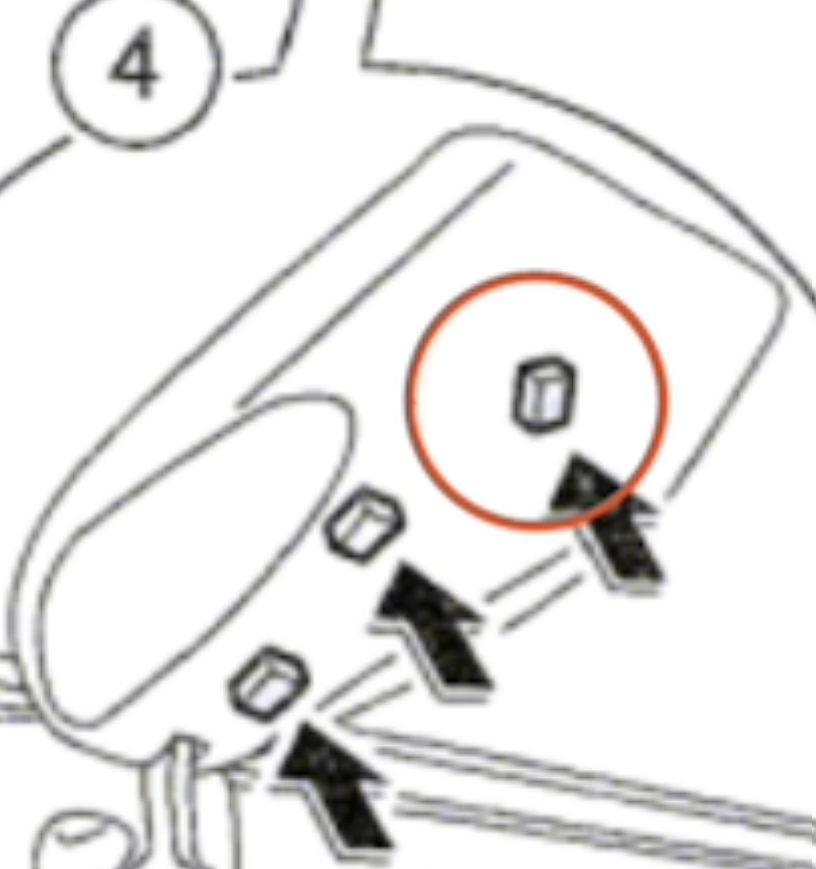
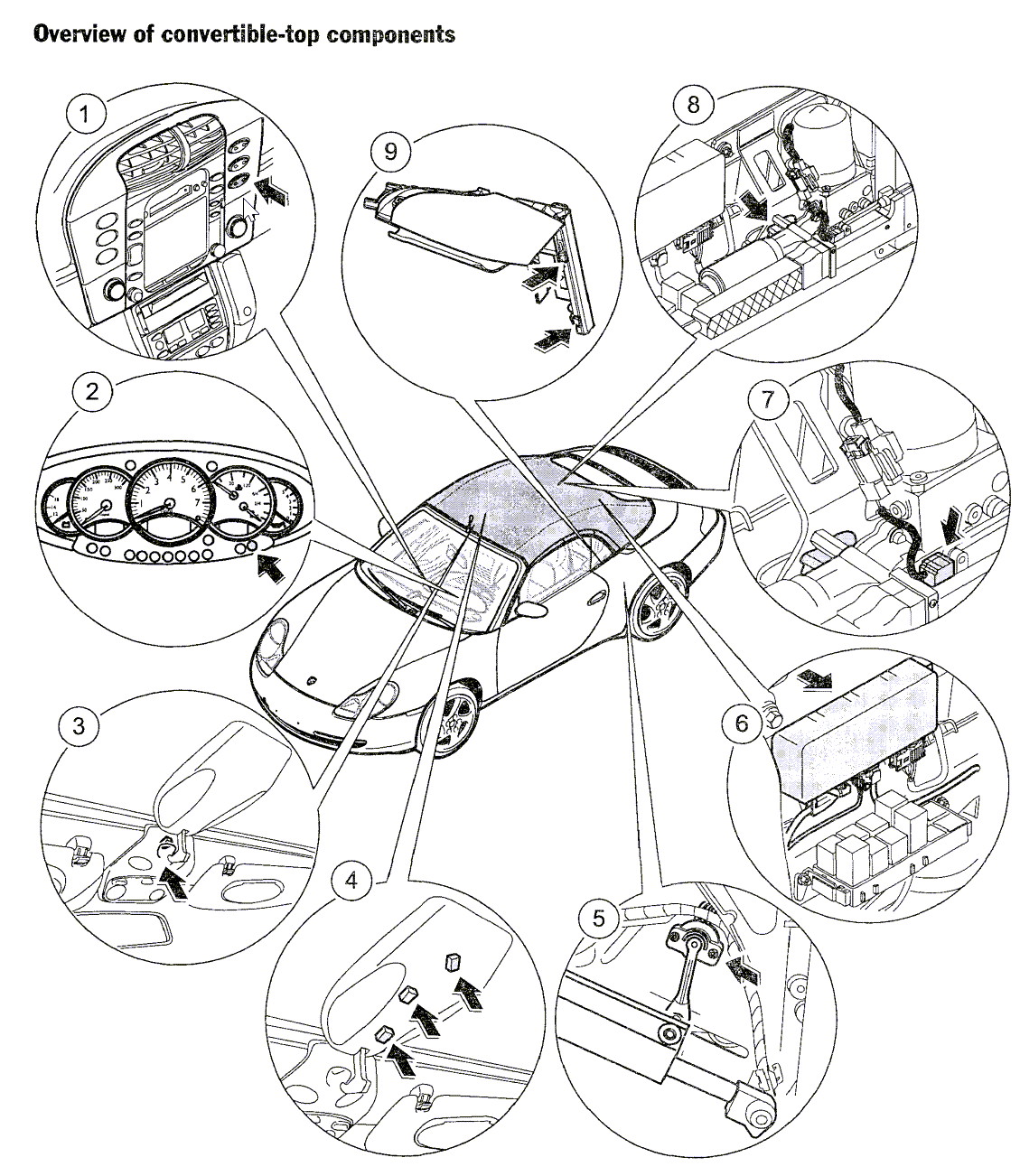
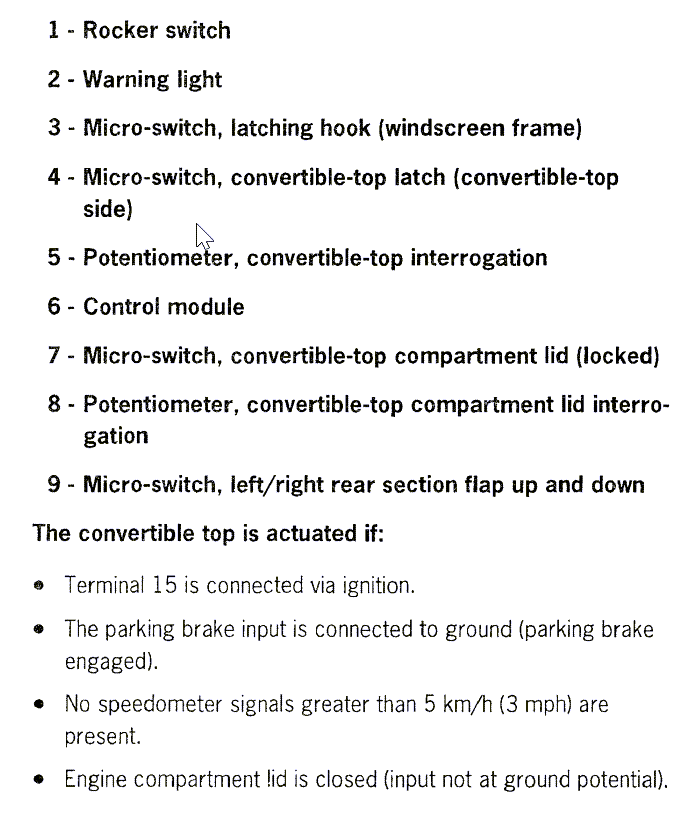
My 2001 C2 top has not worked the entire five years I've owned the car, full saga below.* Without all the back story, here's where I am today. When I click "Calibrate," nothing happens and PIWIS 3 returns "Function inactive, end position not reached." The front latch is reset per the service manual, and the clamshell potentiometer was installed at as close to 6.2k ohms as I can get it (about 6.24-6.26). [I rebuilt this engine in my dining room with my cat, 12,000 miles ago—I may not know what I'm doing, but I can follow directions.] Top is in service position. Actual Values / Input Signals Latch locked Catch not locked Latched unlocked Catch not unlocked (can't be both, right, has to be one or the other?) EDIT: RESOLVED, please see follow up post. Convertible top Convertible top raised Convertible top compartment Convertible top compartment lid unlocked Right side flap up Right side flap not up Right side flap down Right side flap down Left side flap up Left Side flap not up Left side flap down Left side flap down Speed Speed >5 km/h (3 mph) (that's not correct) Handbrake Applied Latching hook Latch hook not actuated Engine-compartment lid Engine-compartment lid closed Convertible top button Close convertible top button actuated Supply voltage 14.45 v Warning light on 36044.3 min (!) Actuation counter 1 1746 Actuation counter 2 65536 Calibration counter 2 Pot 1, convertible top 0.92 v Pot 2 (conv. top compartment. lid) 2.51 v Calibration: Pot 1 val 1 0.80 v Calibration: Pot 1 val 2 1.27 v Calibration: Pot 1 val 3 1.88 v Calibration: Pot 1 val 4 2.29 v Calibration: Pot 1 val 5 2.96 v Calibration: Pot 1 val 6 3.22 v Calibration: Pot 2 val 1 1.55 v Calibration: Pot 2 val 2 1.82 v Calibration: Pot 2 val 3 2.00 Calibration: Pot 2 val 4 2.71 These aren't even actual calibration values, are they, they're stored values from the last time it successfully calibrated. It's my latch isn't it. There's a microswitch I've overlooked, a stupid simple on off switch, and because of that, it never starts the calibration process. Guess I'm going out there one more time this weekend and taking that off again. Insight invited, thanks for letting me ramble. 😄 Keith *The Complete Saga I bought the car like this in January of 2001. Tip cab with a top that had been manually put up via emergency procedure. Dash light for the top was on. I found a matching hardtop an hour away that same week, manually put the top down, slapped the hardtop on, and drove it. Turns out, the left rear window regulator had failed and someone had manually pulled it up (the motor was missing) and then drove a drywall screw through the regulator frame close enough under the bottom of the window bracket that the window stayed up. I rebuilt both rear window regulators and in October of 2021, started working on the top. I probably didn't reset the latch correctly at that time, or the clamshell pot. Still, I told Durametric to calibrate and it started to. When the top moved doubt 1/2 way up, I could hear the pump motor straining and—since the rear interior panels were still off—I took a look: both hydraulic pistons were jetting fluid down the rain drains. I put the hard top back on. Then the engine failed, then (unrelated) I moved, and I spent all of 2023 rebuilding it. July, 2024, I sent two cores to Cab Hydraulics in Sarasota to rebuild. Put them in, new hoses too, and this time I reset the latch and the clamshell pot correctly. I think. But there was no longer a top warning light on on the cluster. I told Durametric to calibrate it, and it wouldn't. Opened a dialogue with the developers, sent them logs they asked for, did everything the guy said, and the last I heard was that maybe their software wouldn't calibrate it unless it was in an error state. Then (not their fault) I took a job and started the process of moving. Hard top went back on. July 2026, time to get back to it. I knew I was going to have to have access to PIWIS, so I followed that thread on some other forum ("under $75") and got the image running on my shop computer. Which, I understand, isn't the same as pulling up to the dealer, so I'm aware that's a possible failure point. I 100% believe the latch and clamshell pot to be correctly reset now. No dash light. When I click "Calibrate," nothing happens and PIWIS 3 returns "Function inactive, end position not reached."1 point
-
Try 96391 point
-
Try 30901 point
-
Try 90851 point
-
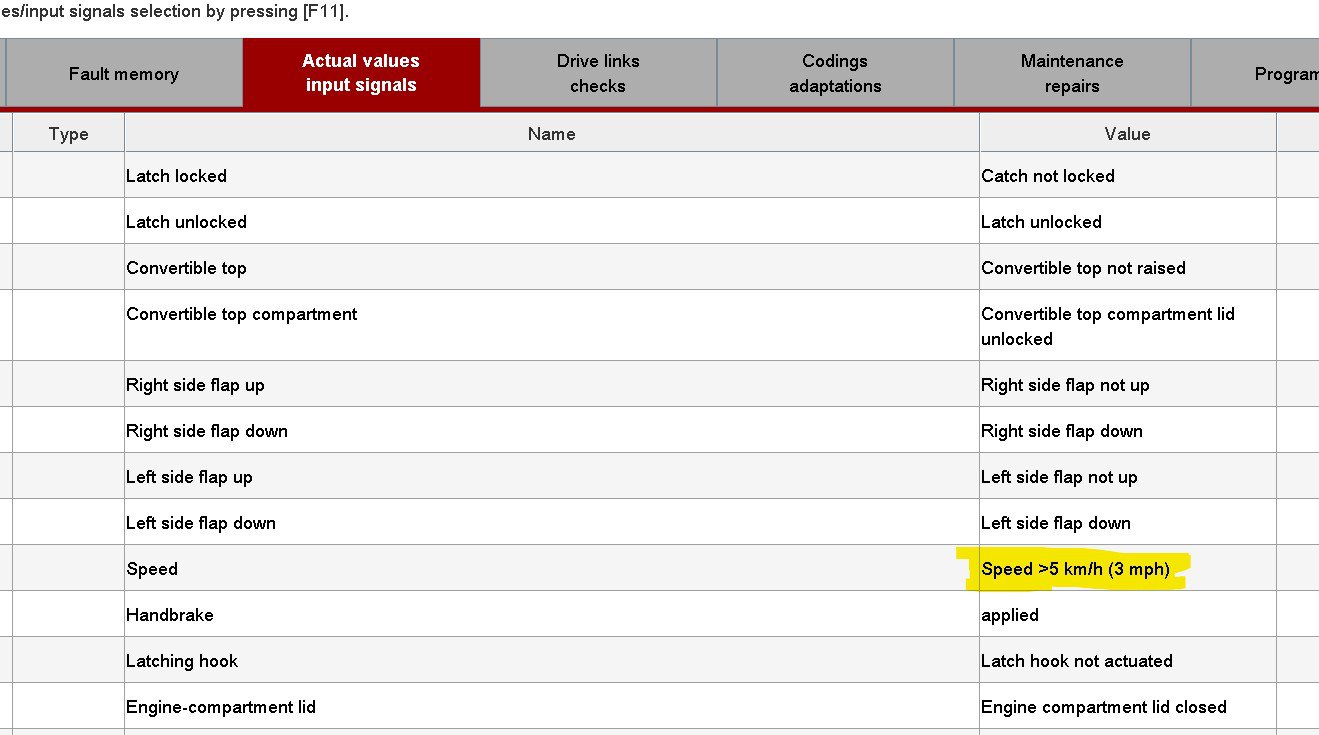
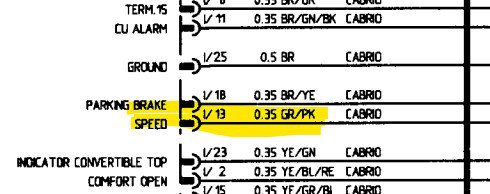
My convertible top has never worked so today I started testing all systems. I reset the lid potentiometer to 6.2k, manually opened the front latch and told the PIWIS to perform a calibration. The windows begin to lower but they stop moving after a second, triggering the dreaded "Function inactive, end position not reached" error. I tested all of the microswitches and got good results. I moved on to the "Drive links checks" and can move everything (except for the side flaps) but not for more than a second before receiving "Function inactive...etc" errors every time. For some reason the convertible top ECU is receiving an actual speed value of "Speed >5km/h (3mph)". (Highlighted in yellow on the attached screen grab). Is that enough to halt every attempt to perform calibration or drive links checks? I found a DIY from Loren (see below) that said to cut the GREY/ PINK wire leading to the top ECU if you want to eliminate the speed check for top operation. I checked it against the 2000 wiring diagram and made sure it was pin 13 on connector 1. CUT! And there was no change in the Speed value. Still reading above 5km/h - 3mph with the car standing still, parking brake on. Is there something else that will cause "drive link checks" or calibration to last only a moment before returning a "Function inactive, end position not reached" error? Thanks! )
1 point
-
I have a '99 Carrera and I'm struggling here... I just replaced the gas filler vent valve and I was still having trouble filling. I did a search and read about re-installing the reed sensor. I pulled the fender liner and vent valve, but I can find the reed sensor anywhere. Where is the connector for the sensor? There are no loose wires anywhere to be found and I didn't tuck away or see anything dangling when I removed the original vent valve. I find this so strange.1 point
-
Thanks, Loren—I had not noticed there are three microswitches in the latch, I'll look at that 3rd one next.
1 point
-
Must not be seeing one of the microswitches (dirty, misaligned, or broken).
1 point
-
Try 64101 point
-
Try 48971 point
-
Try 50161 point
-
Try 05981 point
-
1 point
-
Many times the servo is not bad but the foam from the flaps has deteriorated and jammed their movement. I would check that first then rest the codes and test before actually replacing any servos.
1 point
-
Try 96411 point
-
Porsche only - find a donor car to get them from.1 point
-
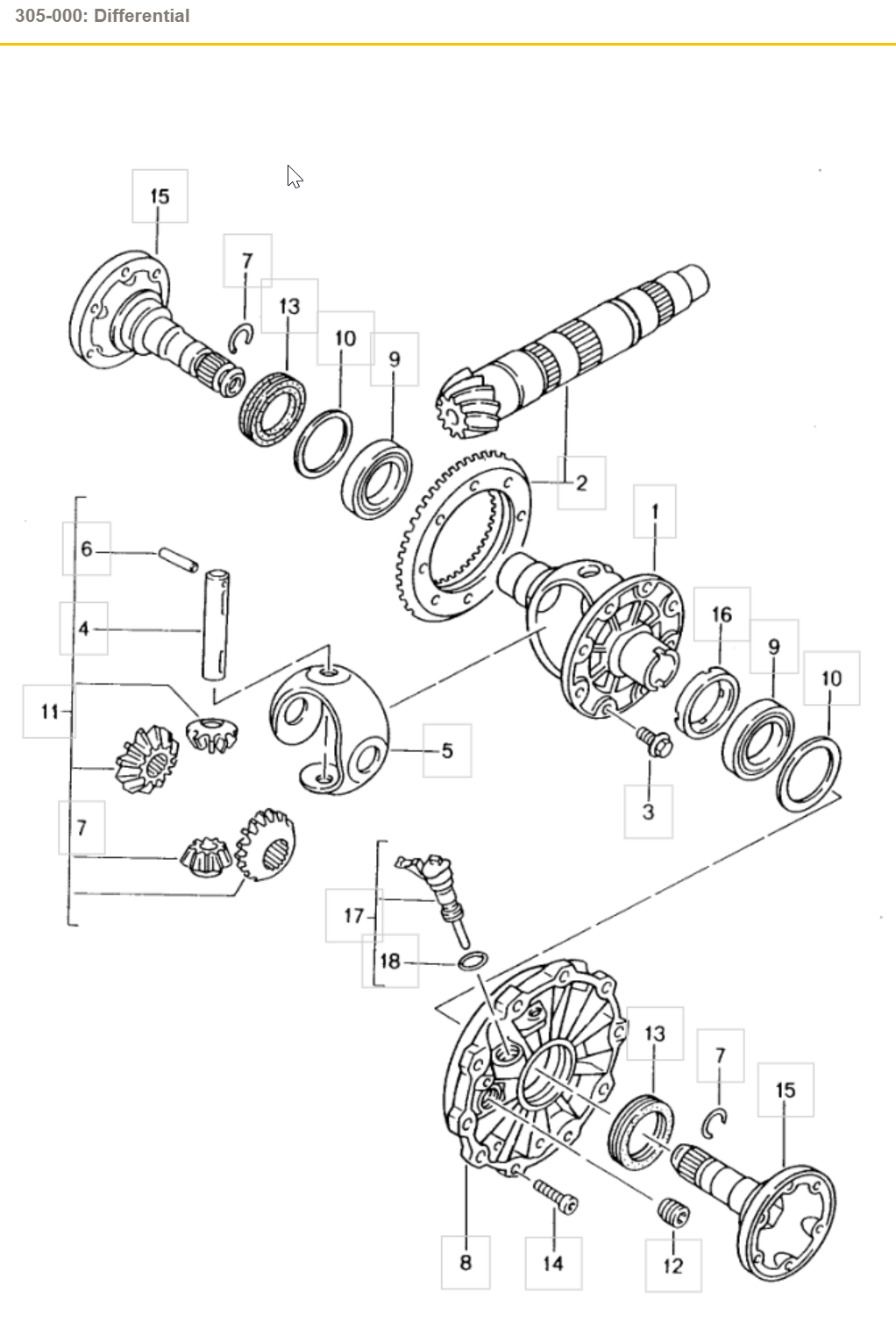
Item 13 is the radial shaft seal. (click the image to enlarge it)
1 point
-
2006 CAYENNE 955 4.5 V8 DRIVER SIDE PRIMARY CAT REPLACEMENT Full size pictures can be found HERE Writing this down hoping it can help out another pepper owner. SKip to the bottom if you want the short version. Had to replace the drivers side (LHD) primary catalytic converter as the flex pipe had completely corroded away and was flopping loose in the wind. I got lucky and found an aftermarket one on eBay for significantly less than what the dealer would charge me. You’ll need an assortment of tools for the job: Jack Jack stands Ramps for rear 10mm sockets 12mm sockets 13mm sockets Numerous extensions Wrenches in above sizes and flex head ratcheting are awesome 22mm O2 sensor wrench or crowfoot Straight ⅜” and ¼” ratchets and breaker bars for extra leverage as needed. Flex head ⅜” ratchet Long flathead screwdriver to open up the clip holding the O2 sensor wire T25 screwdriver or bit for your screwgun for trim pieces #2 screwdriver or bit for your screwgun for trim pieces Total actual work time was about 8 hours. I could have done it in about 5 or even less if I was truly ambitious, but was taking my time and making sure I didn’t break anything in the tight space. The time also included jacking up the car, removing the underneath skid panels, engine compartment plastics, drivers tire and wheel well liner as well as reinstalling them. See Pelican Parts for the skinny on accomplishing all of those tasks. I’ll skip those tasks here. https://www.pelicanparts.com/techarticles/Porsche_Cayenne_Tech.htm Also crack open the rear hatch and block it from locking as you’ll want to disconnect the battery ground. Here is a video that shows how. Super easy and never knew myself. No need to flip the seat. How to disconnect battery ground in Porsche Cayenne (955) I will preface my replacement with the added bonus of the car having the secondary CAT delete already done. So no fighting with those. So under the car, first things first was loosening up the connection between the tailpipe section and the straight pipe, which was connected to the primary CAT. As the existing bolts on the CAT were rusted and frozen, I just snapped them off knowing they would be replaced anyways. Don’t waste your time on PB Blaster or heat. Just break them off and be done with it. So with the easy work complete now it’s time to dive into the fun part. Move up under the car so you’re looking straight up where the CAT meets the exhaust manifold. You’ve got 3 bolts above you that you’re wondering how you’ll ever get to them without taking out the front O2 sensor and even then how. Give them a spray of PB Blaster or your choice of penetrant. Now move to the front of the car in front of the sway bar, there is an opening where you can see the 3 nuts on the exhaust manifold. With a combination of extensions you can reach the nuts with a 12mm socket. You can let them soak for a little while as you have another cup of coffee or beverage of choice. At this point you may be wondering why I haven’t mentioned the O2 sensor on the top of the CAT pipe. Well, because I drove myself crazy trying to figure out how to get it out. I went after it 8 ways to Sunday. From the top with swivels and extensions and the same from underneath. I could barely get a finger over it and did manage to get the socket on it but then couldn’t get it broken free as the leverage just wasn’t there, or the socket/crowfoot slipped off. Needless to say, I wasted about an hour or so on this and questioned my seemingly foolish decision to approach this project. In the process of doing all of this, I figured out I needed to remove the middle skid plate support bracket for more room to reach up in the small area. Working by myself created new opportunities to be resourceful, or stupid depending on point of view. Since I was already committed to this endeavour by already removing, AKA breaking, the lower sections of exhaust piping, **** the torpedoes and full steam ahead. I ended up just unbolting the CAT from the exhaust manifold, dropping it down and slightly rotating it. At that point I had a good view of the O2 sensor and slipped the O2 sensor socket right over it with a breaker bar attachment. With the room to get leverage and a straight shot at it, it came loose with a marginal amount of effort. Unscrewed the sensor by hand and pushed it behind the steering column. Now for the next problem. The CAT was just big enough to not slide out with the heat shield of the steering column shaft in place. So, prop the CAT in place and remove the heat shield (2-10mm bolts), giving that extra ¾ of an inch. And so with a small amount of finagling, out she came. Could I have worked a little more on it and fought it out? Maybe. But for two 10mm bolts, easy choice. At this point in time, I called it for the day as I was now about 5 hours into the whole job. Sunday morning - here we go for part 2. Now knowing how it came out, it should make it easy to go back in. And yes, it was. Reverse the process of the removal. Slide the new slimmer CAT up into the general position it needs to be, let it rest on the other parts while the O2 sensor is installed. I did unclip the connector up in the engine bay and hang it from the hood so it would spin freely while installing it. A tip I saw elsewhere, thank you. Now push the CAT up into position and viola!. NO! WAIT! The mounting bracket is farther forward than on a stock CAT by about a ½ inch and slightly rotated off the axis of alignment from the engine bracket. The CAT won’t go all the way forward to mate with the exhaust manifold. So… Now it’s pushing, rotating and mild cursing to get it around the engine bracket. In the end, I got it together. Final decision on the bracket, it’s staying unbolted. Not the preferred method, but that’s how we’re rolling since I don't have a welder anymore to move the bracket on the CAT. At this point I was able to get my hand up to get the nuts on the ends of the bolts and finger tight them. Slide around to the front with the long extension and reach in to tighten them up. Now, if you’re lucky, you may have an air ratchet or a battery operated ratchet, which I did, to tighten them up. Do so at this point. Back to the middle of the car to reinstall the short pipe piece to the flex end of the CAT and to the tailpipe. Reinstall the middle skid plate support bracket and you’re just about complete. I hope for all of you who lasted this far have good luck getting around the secondaries if you still have them or figure an alternate plan for that. Time to start the car before I put everything back on and drop it to the ground. Hook up the battery (sparky, sparky), key in the ignition, hand pushing the brake AND… nothing. PANIC!!! I know there’s power. The interior lights come on, chime is going ding-ding. Again.. Nothing. Hold on, let’s breathe a second. Oh lord, the wife will kill me if I killed her car. 3rd time, small prayer to Stuttgart and… SHE LIVES AND BREATHES!!! And much quieter too. Do a couple of start-stop operations to double check it’s all working and then off to reinstall all the plastics and drop her to the ground. I will say, fighting to get the wheel liner on, is an extraordinary test of patience and will power. I think I fought that alone for over 30 minutes. If anyone has tips for that process, I’d be eternally grateful. Couple of side comments on this. The CAT I purchased was an aftermarket unit I got off of eBay and have no idea who manufactured it. There were no studs in the flanges, just 3 bolts and nuts per flange. I was worried they were going to fall out during the install, but the new gaskets held them in place as the holes were the right size to screw the bolts through them by hand. I know this helped during the reinstall and not having to bend or cut off the bracket on the CAT. For the heat shield, some places had said to unbolt the steering shaft and move out of the way entirely. I did not want that headache to do a realignment of the shaft/steering wheel. So I just did the minimum I thought would work. Now that you’ve gotten to the end of my story, I hope it will give someone else the courage to take on the project. Take your time, step back, breathe from time to time and don’t rush it. It will happen. Please make sure to tip your waitress. SHORT VERSION Put car on jackstands or at least front end Put rear of car on ramps if only jackstands in front Disconnect battery Remove front left tire Remove wheel well liner Remove underbody skidplates/plastics up to bumper Remove heat shield from steering shaft Remove middle skidplate support bracket Unbolt/snap off bolts from primary CAT flex pipe to tailpipe/secondary CAT Remove short tailpipe section if secondary delete performed From front of car, reach in and unbolt the 3 nuts holding primary CAT to exhaust manifold Drop CAT down and rest it on car Using O2 sensor socket, reach up into area and remove sensor Pull CAT out of car Push new CAT up into the void and rest on car Install O2 sensor Push CAT up to exhaust manifold and bolt together Install engine support bracket (if applicable) Install tailpipe section to flex pipe end of CAT Install skidplate support bracket Install skidplates Install wheel well liner Install tire Lower car to ground Install engine compartment plastics Reconnect battery Start car CELEBRATE Now if someone can share an easy way to do the passenger side......
1 point
-
Remember the new ride height will be 10 mm lower than the stock height - plus the springs, struts and swaybars will all be firmer than the stock items. As I said before another option PSS-9 (adjustable) Coilovers - likely easier to find as either OEM or aftermarket.1 point
-
Having spent months chasing down my very heavy steering (yes I know some like it like that) I have finally managed to over come the heavy steering by bypassing the servotronic system and locking it into 75% assistance effort. Here's how I did it, but I would appreciate any thoughts on why it wasn't working if anyone has any constructive comment about the acceleration sensor readings - which is what I think the main culprit is.1 point
-
Chances are your 20 plus year springs have softened and are already sagging a bit. Springs, swaybars and struts are a matched set - I would not mix them as you could produce unstable handling. Especially if you track the car. RoW 030 is fine for street and most track driving - you just have to be careful of large speed bumps on the street. PSS-9 (adjustable) Coilovers can supply suspension tuning and even lower for track days - but you would definitely want to raise it up for street.1 point
-
Blue/white marking are stock springs. For factory Sport Suspension you will need new springs, stuts, and swaybars. RoW Sport Suspension Package for 3.2S 6 speed - Carnewal WWW.CARNEWAL.COM1 point
-
I waited until I could confirm my problem is solved. After asking the dealer multiple time about vacuum level measured with a digital manometer and never getting a straight answer, I spent some time talking to the tech before proceeding. According to him, the reason the car would start when cold is it was still going through the 90ish second startup sequence with secondary air injection, coupled with the vacuum leak caused by the AOS. Which, to my not-very-Porsche-tech brain kind of made sense. After getting the AOS replaced, along with a cracked brittle oil fill tube and one or two other related minor bits that were also old, cracked and or worn out, the car seems to run fine, was actually quieter than I ever remember, and the stalling problem is resolved. And no CEL since the repair. There was never any big clouds of smoke usually associated with a failing / failed AOS.1 point
-
I put it in my 2004 Turbo Cab and it works great. plug and play though playing content through your iphone is not as loud as the normal stereo... you don't have to purchase the NAV card; you can use apple carplay... works a treat. Hope that helps.1 point
-
See if any of the fault codes have changed. If not, then I would still go the path based on the FRAU readings.1 point
-
I replaced the crankshaft position sensor and so far, seems to have fixed the problem. The engine has started a lot quicker when cold and when warm. One of the easier jobs I have done on this vehicle. Although I do have one of these lifts I purchased about 8 years ago, it sure helps a lot (made in Germany): Scissor lifts WWW.TWINBUSCH.DE Scissor lifts1 point
-
Try 10981 point
-
Sorry I have not replied. I did not buy the Cayenne it belongs to a friend of mine and I enjoy working on them when I have time so I spend a few days a week fixing stuff. It been fund and I love finding something that is bad from either age or the last repairman messed something up. so far I have replaced both valve cover seals with the cam actuator seals and spark plug tube seals and new spark plugs. I also replaced the vacuum pump and fixed the power brake vacuum hose that was cracked on both ends, I also replaced the purge valve. I also made a new vacuum line from the oil air separator to front timing chain cover out of copper pipe with rubber ends. I was very pleased to see how nice the motor runs now. I also replace the rear hatch actuator to unlock the rear hatch before you would hit the button but it would not unlock you had to use your finger to manually unlock it from the inside. that's fixed now. Right now I have the head liner and the sunshade off and getting ready to clean the old headliner before I put in the headliner but, before I put back the headliner I'm going to replace both struts for the rear hatch, the glass does not stay up at all and the hatch does stay up but it slams when its closing. I also fixed the drivers seat back cover that kept coming off, I ran a screws 1/4 through bottom of the back cover to hold it to the seat. I have to do the same thing to the passenger side seat too. once I have everything fixed inside the car I need to see what the oil leak it has/had is coming from it could be from old valvecover seals that I replaced or the transmission is leaking. when he first dropped off the car the oil leak was massive and now after the work I have done to the car the oil stain is a drop so that may be fixed, but I need to see and make sure. Oh I'm having a problem finding the struts for the hatch the car has the power liftgate, I find the struts for the glass but I can't find for the power lift gate, does it now use struts for the hatch on the power lift get?1 point
-
Try 53501 point
-
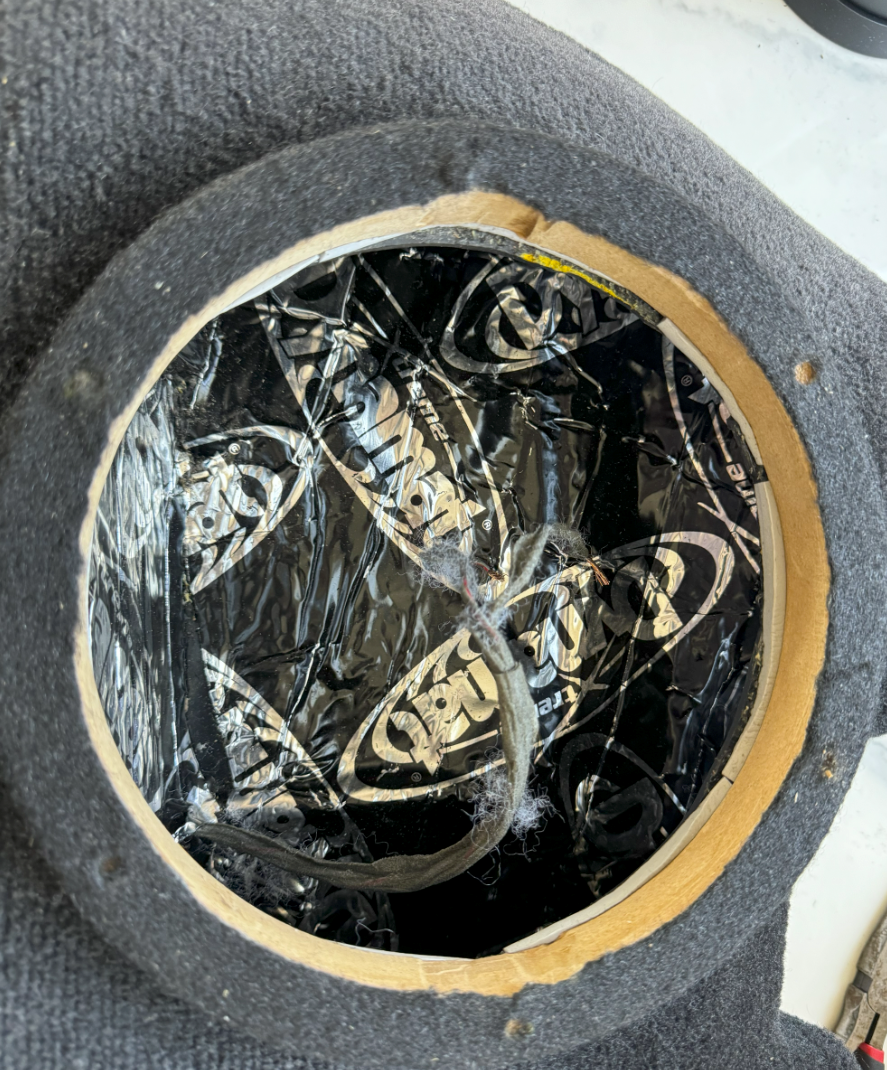
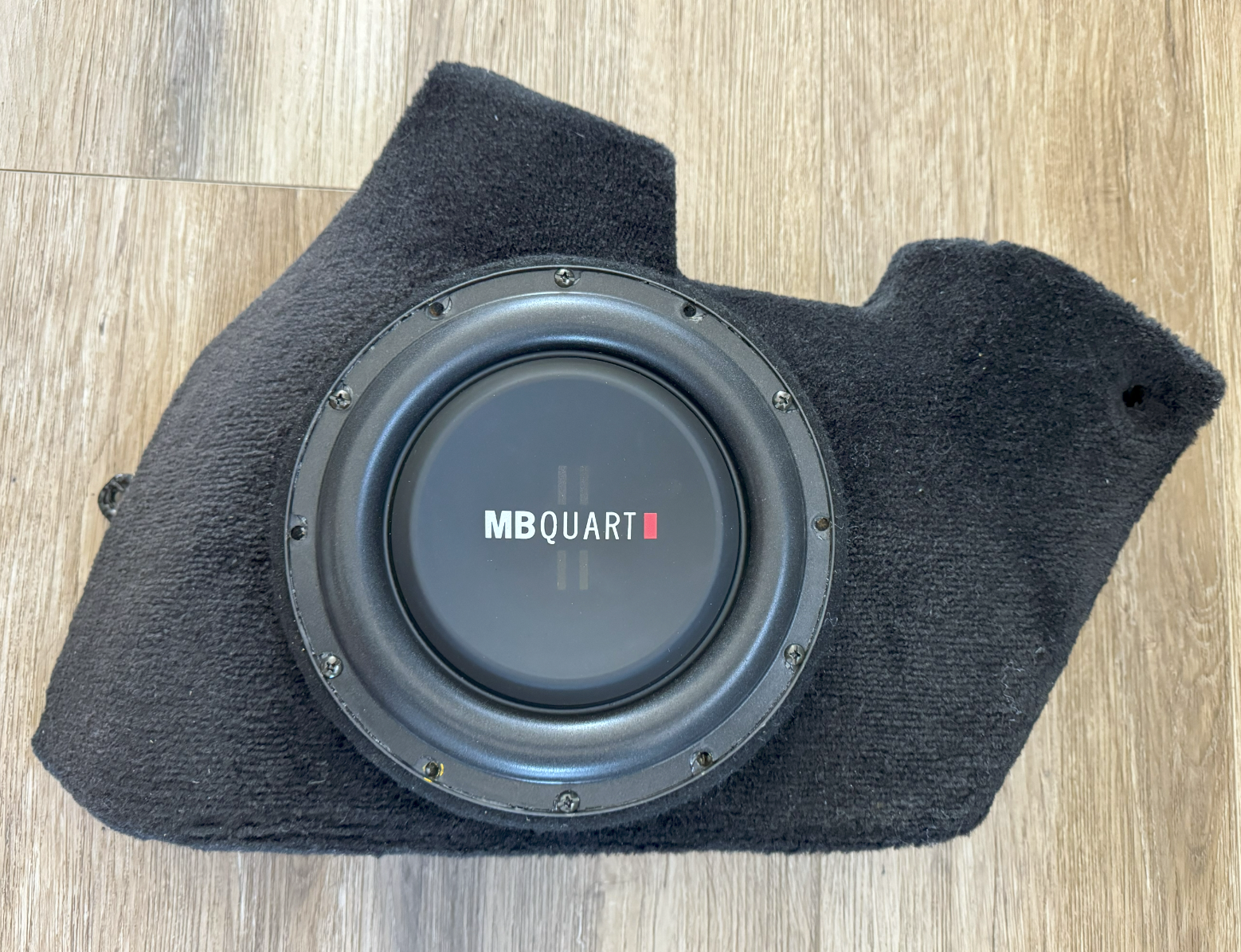
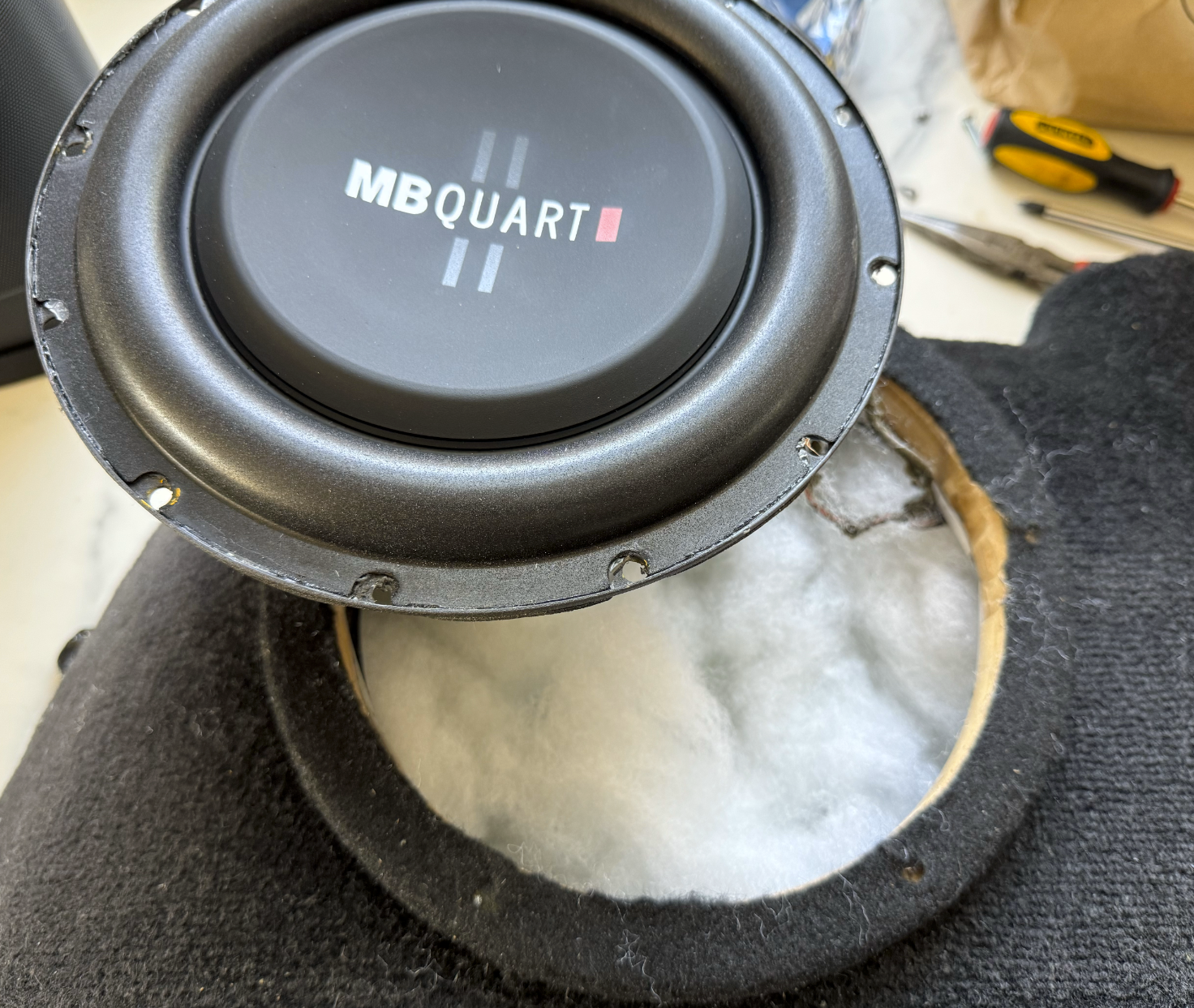
Thanks for the heads up! Maybe they meant litres. I fixed my lack of bass with gutting the stock cabriolet subwoofer enclosure and sealing it for a proper 8" DVC subwoofer install. Super happy that I did and only cost me my rear speakers since running 5 channel amp. Cut a hole in the box and flipped it over and cut to epoxy the old speaker hole closed. Added more foam to the "bass tube" after trimming to seal the whole enclosure.
1 point
-
Try 94321 point
-
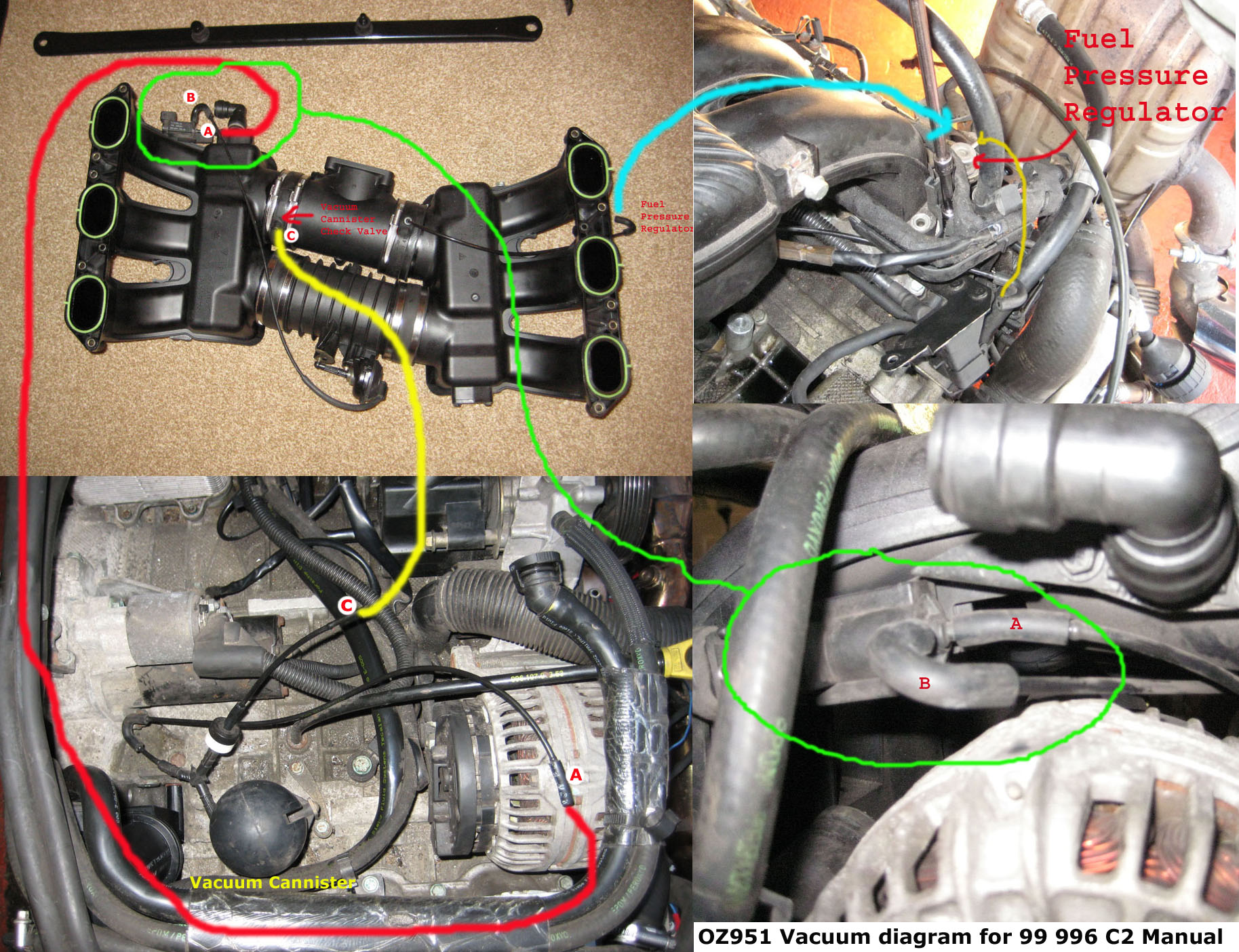
In case someone searches for vacuum line routing in the future
1 point
-
P0441 code is EVAP purge valve, alongside the drive side intake manifold tubes. P2281 Code is most likely an air leak between the MAF and the throttle body, the code generally means that the powertrain control module (PCM) has detected a degree of airflow at the mass airflow (MAF) sensor which does not exist at the throttle body.1 point
-
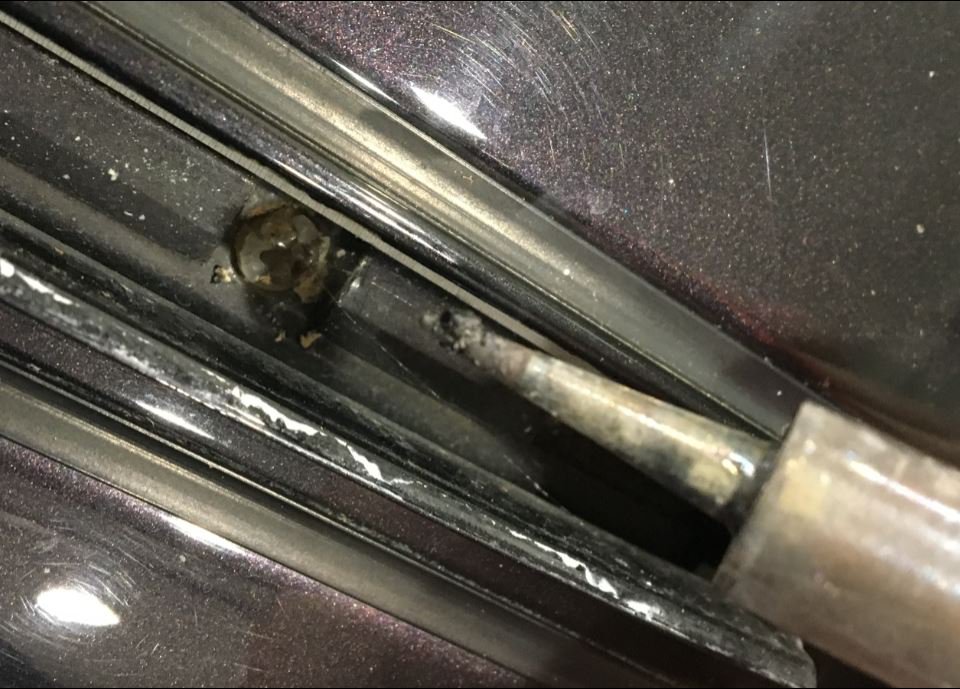
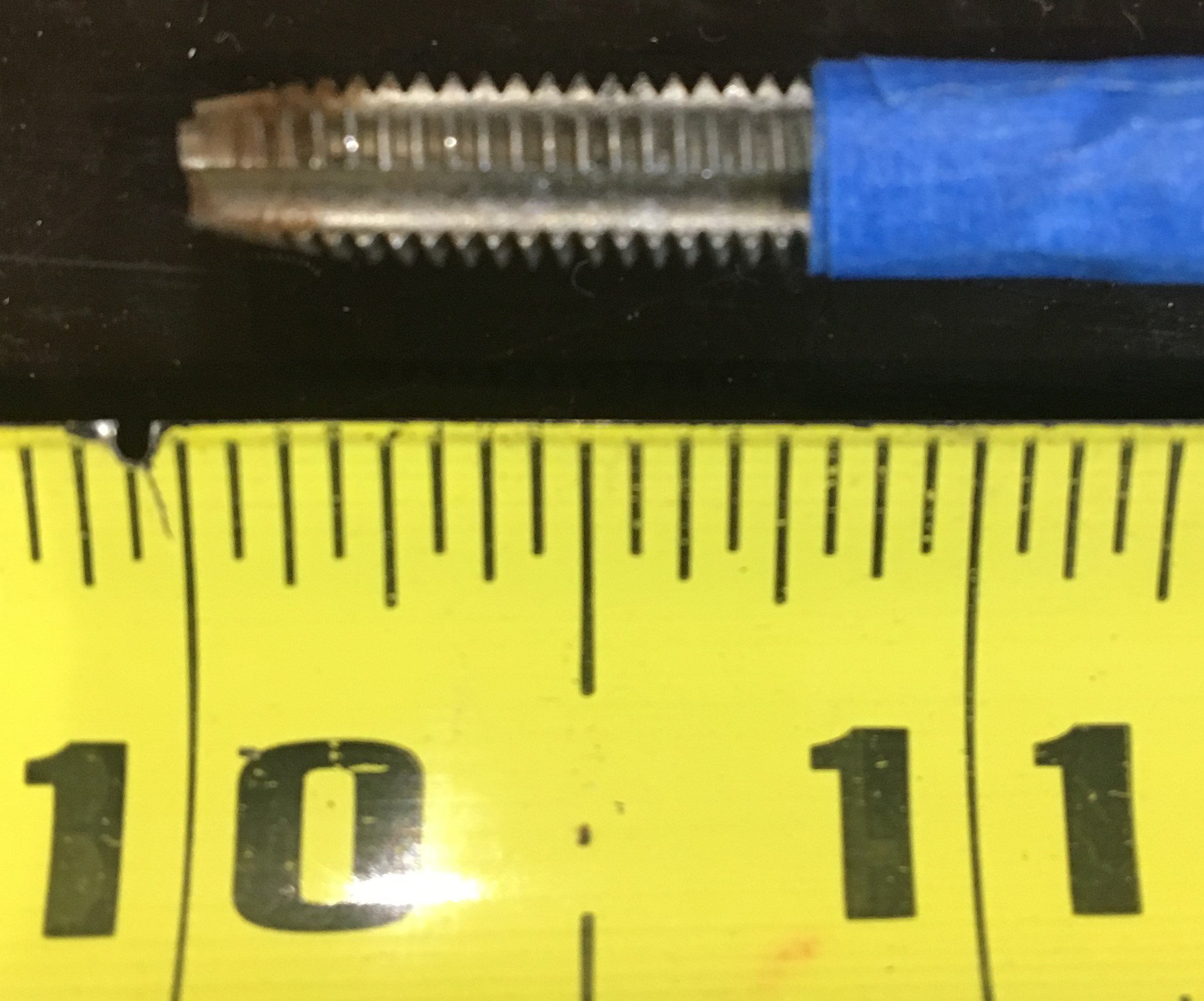
On my 2000 C4 I was lucky enough to have nylon screws. They broke of course, but drilling and tapping was easy with a few tricks and observations: Using a soldiering iron to melt a hole through the center of the nylon screw makes drilling MUCH easier Used a 3/16" drill bit to remove the majority of the nylon then used a 6mm x 1.0 to clean the threads Plunge depth is 3/4" Use a "bottom" tap rather than a "tapered" tap so you clean threads quickly and without significant insertion.
1 point
-
Try 65131 point
-
I had the same problem. I found a thread,not too long ago, mentioning to take driver side sill plate off and look under seat memory pushbuttons to check for a disconnected plug. Yup, mine was unplugged. Whole thing took me 20 minutes to do with an ipad to display the dyi instructions, flat screw driver and hex heads. Now my keys and seats work flawlessly. Might be worth a try. Happy hunting!1 point
-
I will be posting a starter repair/cleaning tutorial for the Porsche Cayenne. I bought a 2006 S a few months back and it had the startup whine that I believe is common to this vehicle. I have replaced the old starter with a Chinese $130 job, but I don't trust that the starter will last. I was amazed that no one had posted a DIY for this since the new Bosch starter is so **** expensive. As of right now I have most of the starter disassembled (which was not difficult except for one part that I can't figure out). As I clean and put back together I will post pics and advice. I found a few sites where you can get starter parts, mostly in Great Britain. I used a parts company called saverepair.com. Unfortunately, Bosch doesn't supply a lot of parts specific to this starter. The starter number is 0 001 125 025. Other good reference sites are aspwholesale.com, https://en.as-pl.com and this parts breakdown helped TREMENDOUSLY http://www.woodauto.com/Unit.aspx?Man=BOSCH&Ref=0001125025 (which wood auto was my second choice for parts but they cost a bit more.) What I could order from saverepair.com were these parts. bsx208-209 Bosch Starter Motor brushes 5.8 mm x 18mm x 14.6mm. 1 €3.60 €3.60 wsbu9016 Starter Bushing 10,08mm x 14,04mm x 9,90mm Rear bushing for Bosch,Front Bushing for Valeo D7E, and Centre for Ford Motorcraft. 1 €0.55 €0.55 wsbu9022 Starter Bushing 28,47mm x 32,30mm x 10,00mm. Front bushing used in Self-Supported Bosch starters. 1 €1.72 €1.72 wss0020 Starter Solenoid for Saab 9-3 Turbo 9-5 Turbo 900 9000 Opel Astra F Corsa A B Kadett E Vectra A B Lancia Fiat and more. 1 €18.00 €18.00 Pretty cheap parts as you can see. When I received the parts I was a bit concerned that the solenoid wouldn't work (I basically picked it by cross referencing starters that were close to the number range and had the same type of connectors). This solenoid is a bit larger than the old one, but the screw holes match up perfectly. I have never replaced bushings or brushes before, so this will also be an adventure I'm sure. On a side note, I REALLY wanted to replace the main bearings on the starter, but there are a few things I can't figure out. There is a part called the bendix that has the gear at the end that also holds the bearings. It is also attached to the stationary gear and a spiral gear shaft. I can't figure out how it all separates. If I did, I could just replace the entire bendix with the bearings on it. I'll see if I can attach a pick of what I'm talking about. If I can't get them separated I think it will be fine as the bearings still turn. I believe the major points of wear on the starter is the bushings. There is wiggle and play on the shafts on the bushings, which is probably why the starter was whining. Stay tuned! One more thought on removing the starter itself. There are write-ups for that so I won't delve, I will say, it is a relatively easy job of removing parts to get to it, but it does take a lot of time. I was able to remove the starter also without disconnecting coolant lines. I also added a pic of me after ripping the engine apart, with a much rewarded pipe blend called "quiet nights" (completely irrelevant to the post, ha!).1 point
-
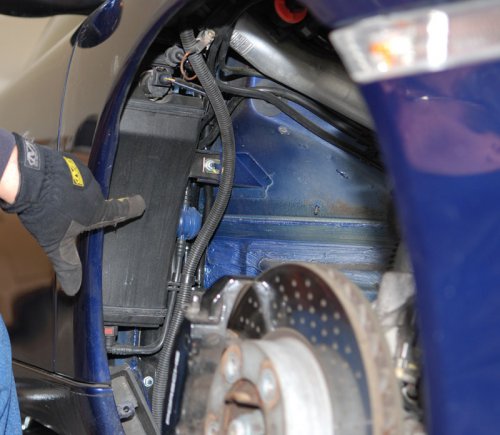 Note: Part numbers sometimes change without notice. Always double check with your supplier that you have the latest part numbers. (Special thanks to Chuck Jones for being the guinea pig and for taking the photos.) Parts you will need: 997.624.113.00 Actuator Tools you will need: Very short Torx T20 driver and right angle ratchet or tool to use the short T20 in a very confined space Regular screwdriver, phillips screw driver, and 10 mm wrench to remove th wheel well liner 1. Jack the car so that right front wheel is off the ground and secure it with a jack stand. Remove the right front wheel. 2. Remove the wheel well liner by removing the the plastics rivets (pry them out with a regular screwdriver). As well remove the 10 mm nuts on each side of the axle. Now remove the phillips screws that fasten the wheel well liner under the front bumper and remove the wheel well liner (and set aside). 3. Locate the EVAP canister and remove the electrical connection at the top of the canister. Now remove the 10 mm nut that holds the canister in place. Remove gas the vapor lines - one at the top and one at the bottom (again by squeezing the connectors). Remove the EVAP canister by pulling gently back and forth until it releases from the rubber gromments 4. Look back up under the fender (now that the canister is out of the way) and locate the broken actuator. Now using the stubby Torx T-20 loose (but do not remove) the two T-20 screws. The actuator itself is a bit tough to get to and you will need a really short T-20 Torx head to loosen the two screws. I say loosen because that is all you need to do to remove the part - it sits in two "U" shaped slots. Remove the electrical connector (by squeezing the tab). Here is a pic of the new part - as you see the Torx screws are already in place so that is all you have to do to replace it. 5. Put the new part in place making sure you feed the emergency pull line through the fender to its location in the door jam. There is room to slide it through the side so you don't need to try and thread it through the hole. Fasten the two Torx screws and reconnect the electrical connector. Chuck's car had the guide rose guide piece missing (so he needed to order one) Here is a pic of his car (without guide rose) and my car (with guide rose). Ref. P/N 997.624.505.00 We also noticed that on his car the plastic catch for the lock was missing (so he needed to order that too). Here is a pic of his car (without cap) and my car (with cap). Ref. P/N 996.201.243.00 6. Reinstall the EVAP canister by pushing it into place on the rubber gromments. Then reattach the vapor lines (they should snap back into place) and the electrical connection. Finally put the 10 mm nut back in place and tighten down. 7. Reinstall the wheel well liner (reverse of removal). 8. Mount the tire, lower the car and re-torque the wheel bolts. Done.1 point
 -
P0455 Leakage in fuel tank system Diagnostic conditions D Vehicle speed = 0 km/h D Engine speed = 0 rpm D Correction factor, height > 0.73 D Coolant temperature upon starting the engine may be no more than 6.8 K above ambient temperature D Coolant temperature when engine starts > 3.8 °C D Period for which the engine needs to have been running before ignition is switched off > 20 minutes D Ignition has been switched off for at least 10 seconds. D Ambient temperature 4 … 35.3 °C D Active charcoal filter load < 3 for minor leak D Fuel tank fuel level 10 … 54 litres D Battery positive voltage 11.02 ... 14.5 V D No fuel tank filling D No faults detected for ambient pressure sensor, coolant temperature sensor, vehicle speed sensor D No output stage faults detected for DMTL pump motor, DMTL switch-over valves and tank vent D No fault detected for tank vent (flow) E The diagnostic conditions can also be established using the PIWIS Tester via the short test "tank leakage test". After the test has begun, the ignition must be switched off. F NOTE E In this context, please also observe the function description. Possible fault causes E Tank cap not closed correctly, leaking or missing E Purge air line leaking E Tank vent leaking E DMTL (Tank Leakage Diagnostics Module) leaking E Leakage in fuel tank system Page 140 of 398 07/20/2006 Function description Tank leakage test/DMTL – Tank Leakage Diagnostics Module F Note E The tank leakage test is performed only on USA vehicles. Construction of the tank leakage diagnostics module: The diagnostics module consists of an electric motor with a small air pump, switch-over valves and a reference nozzle. In addition, the modul is heated so as to prevent the forming of condensation and ice. Procedure of the function: E The pump is operated via an electric motor and conveys air through the reference leak. The power consumed during this process is determined. E The switch-over valve switches and the air current is now directed into the fuel tank. The power consumed during this process is also determined. After a waiting period dependent on the fuel tank fuel level, it must be at least as high as the power consumption was during the reference leak test if the tank system is leak-free. E The system is identified to by leaking if the power consumption is lower during the actual leakage test as it was during the reference leak test. E An evaluation of the power consumption levels when the pump is started and after the switch-over valve has switched serves to identify faults within the tank leakage diagnostic module (e.g. pump blocked, motor spins at idle speed, valve does not switch etc.). E The diagnosis of heating, motor and switch-over valve is performed via the output stage of the DME control module. P0456 Leakage in fuel tank system Diagnostic conditions D Vehicle speed = 0 km/h D Engine speed = 0 rpm D Correction factor, height > 0.73 D Coolant temperature upon starting the engine may be no more than 6.8 K above ambient temperature D Coolant temperature when engine starts > 3.8 °C D Period for which the engine needs to have been running before ignition is switched off > 20 minutes D Ignition has been switched off for at least 10 seconds. D Ambient temperature 4 … 35.3 °C D Active charcoal filter load < 3 for minor leak D Fuel tank fuel level 10 … 54 litres D Battery positive voltage 11.02 ... 14.5 V D No fuel tank filling D No faults detected for ambient pressure sensor, coolant temperature sensor, vehicle speed sensor D No output stage faults detected for DMTL pump motor, DMTL switch-over valves and tank vent D No fault detected for tank vent (flow) E The diagnostic conditions can also be established using the PIWIS Tester via the short test "tank leakage test". After the test has begun, the ignition must be switched off. F NOTE E In this context, please also observe the function description. Possible fault causes E Tank cap not closed correctly, leaking or missing E Purge air line leaking E Tank vent leaking E DMTL (Tank Leakage Diagnostics Module) leaking E Leakage in fuel tank system Function description Tank leakage test/DMTL – Tank Leakage Diagnostics Module F Note E The tank leakage test is performed only on USA vehicles. Construction of the tank leakage diagnostics module: The diagnostics module consists of an electric motor with a small air pump, switch-over valves and a reference nozzle. In addition, the modul is heated so as to prevent the forming of condensation and ice. Procedure of the function: E The pump is operated via an electric motor and conveys air through the reference leak. The power consumed during this process is determined. E The switch-over valve switches and the air current is now directed into the fuel tank. The power consumed during this process is also determined. After a waiting period dependent on the fuel tank fuel level, it must be at least as high as the power consumption was during the reference leak test if the tank system is leak-free. E The system is identified to by leaking if the power consumption is lower during the actual leakage test as it was during the reference leak test. E An evaluation of the power consumption levels when the pump is started and after the switch-over valve has switched serves to identify faults within the tank leakage diagnostic module (e.g. pump blocked, motor spins at idle speed, valve does not switch etc.). E The diagnosis of heating, motor and switch-over valve is performed via the output stage of the DME control module.1 point
-
About 3 weeks back I started getting a CEL with a Code 0335 Crankshaft Position Sensor "A" Circuit. Upper Limit Exceeded. After clearing the code it kept coming back within a day or two and the car stalled on two occasions. Based on research on the forums, this seemed very much in line with sensor failures on 955's and a DIY existed for these model years, but not the 957. My 957 now has around 120k miles, and the engine runs incredibly well, aside from this one recent anomaly. I ordered a replacement sensor, from Pelican Parts which arrived the next day (very impressive service) :lowdown: thanks Pelican Crankshaft Sensor Brand: Bosch Note: Engine Type: 4.8L 4806cc V8 (3.78x3.27; 96.0x83.0) (2008 Porsche Cayenne S Sport Utility) Part #: 0-261-210-292-INT As there was no info available on this DIY for a 957 so I'm hoping the following will help others get this done easily when needed, and in particular so you can save the 2 hours extra it took me to figure out where and how everything was located, as well as how to get to it. Which I did while I was waiting for the new part to arrive However once that research was done, the actual job of replacing the sensor took about 45 minutes. The main challenge is that the connector is difficult to access as it is behind and below the fuel pump on the right hand side as you face the front of the car. Even with an inspection scope it was difficult to locate. It was only once I looked from under the car that I could see where it was located. Also the connector plug is attached to a rectangular section of plastic tubing/conduit on the wiring harness, by a clip which is very rigid. After multiple attempts to release this clip it broke off. I think give the location it gets very hot and over the years becomes brittle. You should remove the engine compartment trim at the rear of the engine for better access. I also borrowed a few pics of an engine on the web to mark the location: I also found that removing the harness from the engine made it easier to get my hands around the connector to get the two ends separated. Once you have the old sensor disconnected, attach the new one and and tape the end of the new sensor tip with some painters tape just for protection and slowly lower it down into the engine compartment. It will end up either side of the primary cat where it is easily accessible from below. Also let the old sensor cable drop into the engine bay as you will then extract it from below. Now move to underneath the vehicle. I only needed to jack up the front left of the vehicle (jack stand + jack for extra safety). No wheels need to be removed. Do not jack up the car before dealing with the connector at the top of the engine bay as it will make it difficult to reach. Between the connector and the sensor, the cable is secured at 3 locations. See pictures below. The cable is pretty easy to remove and secure from below the vehicle and it can be seen and accessed without removing any of the under trays (depending on your level of flexibility). The lowest retaining clip is a push in type retaining clip where you simply press the cable into the tensioned clip. The two upper retaining clips are circular in shape and hinge open and closed. With a built of gentle persuasion you can pull them open and the cable comes out easily. I could not get the uppermost one in the pics but it is similar to the 2nd one shown in the pics. The sensor is held in place with a single torx T5 screw. Once you have the old sensor off you can pull it out and put it aside and attach the new one. I suggest attaching the sensor first and the attaching the cable to the retaining clips. Very rewarding and inexpensive fix, and everything is back to normal. No more codes and the car runs beautifully!1 point
-
Porsche book time 270 time units per side. 100 time units equal 1 hour. Time to get another quote or DIY.1 point
-
Although embarrassing to air my mistake, I thought I would post this in hopes I might save someone else from the same problem: If you have adjustable coilover shocks, do not attempt to change your car's ride height unless you are doing it while corner balancing with scales. I rationalized that if I set the ride height using the factory measuring method (documented in multiple places on this site) I would get "close enough" to a balanced car for a 996 that isn't tracked. Wrong. I worked on a level floor, with a full tank of gas (per spec), new tires with factory-recommended tire pressures, using the factory-recommended ride height measurement points, drove the car a few yards after each change to settle the suspension, and after a lot of hard work I was dead on with each of the four measurements. A local indie shop, not really performance oriented, vetted my approach and said it should be fine, it's what they would do. Even after a perfect-to-the-spec alignment this morning the car pulls to the right, enough at 40 mph with hands off the wheel to change lanes in less than 50 yards. My effort was wasted and I'm out the cost of that alignment. The car goes in for a pro corner balance to correct the issue and I'll end up paying for another alignment. Lesson learned. In truth, the effort wasn't entirely wasted because I learned about the stiffness of the chassis, how even a minute change of 1mm in shock adjustment can affect all four wheels, and how each of the wheels is affected. Dialing in the ride height was a PITA but a learning experience that I believe transfers to doing a corner balance. If you install height-adjustable shocks, you must corner balance for optimal handling even if your car is a daily driver and not tracked. Bless you suspension techs who do corner balancing for a living!1 point
-
I think this will do it. Good luck. DC Porsche 997 PCM Removal.pdf1 point
-
You can always click the green up arrow to raise logray's reputation... just pick one of his posts here and click the green arrow.1 point
-
Yes that tube goes to the resonance flap. It's probably a really long tube right? That's the one that goes to the rear of the engine (front of car). From my above post: "In the diagram link below, the tubes you are talking about is #19, which goes into #21 (another hose) which then goes into the resonance flap: http://www.autoatlan...9-05/107-10.php" Yes the DIY link I posted has the procedure you need to remove the throttle body and t-plenum so you can reach behind the rear intake crossover and reconnect a new tube from the resonance flap to the change over valve in the position you indicate (hose/tube p/n 00004320501 qty 1) You might need a extendable mirror to see it.1 point
-
Posted this on the 986 forum, thought I'd share it here... here's the link to the 986forum.com post in case there might be any relevant discussions 986 forum DIY1 point



.jpg.dc738c9c4b596fb32dc8804f1d09ef17.jpg)
.jpg.2b81d572e107c855fcc8db3e25692ab0.jpg)
.jpg.24efdfb320157fc0d662df27ce09666f.jpg)
.jpg.5627410ee3b5654a00328f510510ffc0.jpg)
.jpg.28f08e8939116d70c2c8ac4733a62c82.jpg)
.jpg.276acbb530288b0b17cefec5ad944f23.jpg)
.jpg.e033379ecc7fcc3670ce0fa975ffbb59.jpg)
.jpg.2a8548c3ef4c34732f5f055bcb179355.jpg)
.jpg.96d241cf03b2076b1dd034ff7dfcab8a.jpg)
.jpg.80dc5a049e16cfce4249e767e003ee29.jpg)